Smooth a textured ceiling: what to check first
Thinking of a plaster over textured ceiling in York? Here is what to check first, how a smooth finish is achieved, and when plastering is not the next step.

Can you plaster over a textured ceiling?
Often, yes. A sound, suitable textured ceiling can be plastered over to leave a smooth, flat surface ready for paint. It is a popular job for York homeowners who are tired of dust-catching swirls and ridges.
The word that matters is "suitable". Not every textured ceiling is a good candidate, and the checks before any plastering starts decide how the job goes. This guide walks through them in plain terms.
Why people want a smooth ceiling
York has a mix of Victorian terraces, older period homes, inter-war houses and newer builds, and many have had a textured finish added at some point, sometimes in only one or two rooms. The reasons for wanting it gone are simple:
- The texture looks dated and can make a room feel heavier
- It collects dust and cobwebs
- It is hard to paint neatly and hard to patch when damaged
- You are redecorating and want a flat finish first
- A light fitting has been moved and the ceiling needs making good
A smooth ceiling changes how a whole room feels, and it makes the walls look better too.
What to check before anything is plastered
Before thinking about the finish, look at the ceiling itself:
- Is it sound? Press gently around the room. Sagging, flaking, bouncing or hollow-sounding areas need to be dealt with first.
- Are there stains or signs of moisture? Brown marks, bubbling or repeated flaking point to a cause that must be found and fixed by the right specialist before any plastering. Plaster goes on afterwards, never as a cover-up.
- Are there large cracks? Some are surface cracks. Others may suggest movement, which needs diagnosing first.
- Do you know what the coating is? If there is any doubt, have it tested for asbestos before anything is disturbed. Please do not scrape, sand or drill it to find out.
That last point is a safety one. No one can tell by looking whether a coating is safe, so if you are unsure, get it tested first.
How a textured ceiling gets a smooth finish
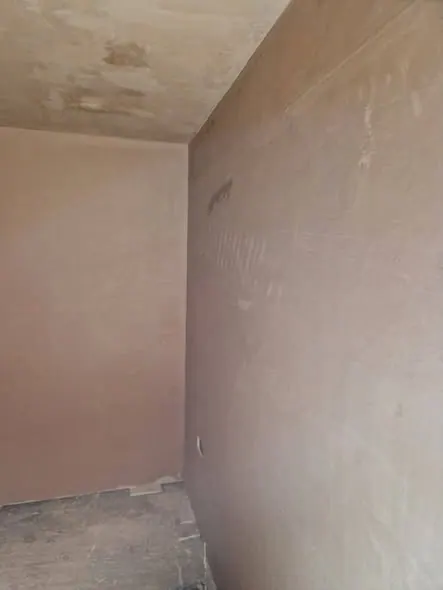
Once a ceiling is confirmed as suitable, the aim is a flat, even surface. In general terms:
- The room is protected, with floors and furniture covered or cleared
- The surface is prepared so the new plaster has something sound to grip
- Plaster is applied in thin, controlled coats and worked flat
- The surface is trowelled smooth as it firms up
- The room is cleared and left tidy
Ceilings are demanding to get right. Gravity is not on your side and a ceiling shows every ridge once the light catches it, so patience matters more than speed. Our ceiling plastering page covers the work.
When boarding is a better answer than skimming
Sometimes the existing ceiling is not a good base. It may be loose, patchy or too uneven. In those cases the better route can be to board the ceiling and then skim it, which gives a fresh, flat surface. Which option suits your ceiling depends on what is actually there, so it is worth having it looked at properly rather than guessing. Our plasterboarding page explains more.
Several rooms at once
Textured finishes often run through more than one room, such as a living room, hallway and bedroom. If you are redecorating, it makes sense to think about every ceiling before you start, so the whole house ends up with a consistent finish rather than one smooth room next to a textured hallway.
Cracks, patches and repairs along the way
Plenty of ceilings need a bit of mending as well as smoothing: a crack here, a patch where a light was moved, a hole left by an electrician. A plaster ceiling can usually be repaired rather than replaced. If the damage is small, a patch may be all you need. If there are lots of patches, a full skim often gives a more even result. See our plaster repairs page.
Getting the room ready
- Clear as much furniture as you can and cover what stays
- Take down curtains, blinds and light shades if you can do so safely
- Make sure there is clear access to the ceiling
- Note anything you have noticed, such as old stains or cracks
- Do not scrape or sand the texture beforehand
What about painting afterwards?
New plaster needs to dry fully before you paint. How long that takes depends on the thickness applied, the temperature and how well the room is ventilated. A cold, damp room takes longer than a warm, airy one, so do not rush it. Painting too early can leave a patchy finish.
Is it worth smoothing the walls too?
Often it is. Once the ceiling is flat and bright, tired walls can look more obvious. If you are already having the room done, it is worth asking about wall skimming at the same time, so the whole room is ready for paint together.
Frequently asked questions
Can I smooth out a textured ceiling? Yes, a suitable and sound textured ceiling can be plastered over to leave a smooth finish. It needs checking first, and anything that might contain asbestos should be tested before it is disturbed.
Can I plaster over an Artex ceiling? It can often be done if the ceiling is sound, but the coating must be tested first if there is any doubt about what it contains. Please do not scrape, sand or drill it.
Can a plaster ceiling be repaired? Usually, yes. Cracks, holes and damaged patches can be repaired. If the ceiling is loose or very patchy, boarding and skimming may give a better result than repeated patching.
How do I know if my ceiling needs skimming or boarding? It depends on how sound the existing surface is. If it is firm and well attached, skimming may be enough. If it is loose, hollow or badly uneven, boarding first is often better.
If you are thinking about a smooth ceiling in your York home, call 07546 063138 or use the enquiry form and tell us about the rooms.
“I had the textured ceilings in my living room, hallway and bedroom plastered over. Harry worked hard and did a great job. I am really pleased with the results.”