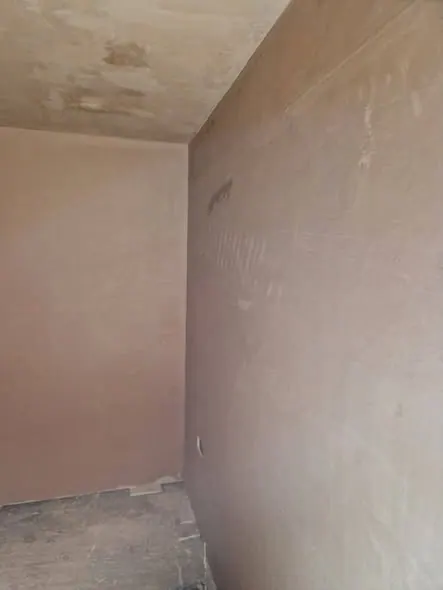
Plaster repairs after electricians and plumbers: making good chases and holes
Plaster repairs York: how to tell a simple patch from a full skim or re-plaster, what causes cracks and holes, and how to prepare. Read before you book.

Plaster repairs in York: where to start
A crack above a door frame. A hollow sound when you knock on the wall. A patch left behind after the electrician has finished. Most plaster repairs in York start with something small you notice, then keep noticing.
The good news is that many of these problems are straightforward to put right. The harder part is knowing whether you need a small patch, a full skim or something bigger. This guide walks through how to think about it, so you can describe the problem clearly when you get in touch.
What counts as a plaster repair?
- Cracks, from fine hairlines to wider splits
- Loose or hollow plaster that sounds drummy when tapped
- Damaged corners and edges
- Holes from fixings, old fittings or accidents
- Chases and patches left after rewiring or plumbing work
Some of these are a quick patch. Others tell you the wall needs more than a patch.
Why does plaster crack?
There is rarely one cause. Common ones include:
- Normal movement as a house settles or as timber and walls expand and contract
- Joints between plasterboard sheets showing through
- Old plaster that has come away from the wall behind it
- Poor preparation the first time round
- Patching over patching, where layers no longer match
Hairline cracks are often cosmetic. Wider cracks, cracks that keep coming back, or cracks alongside bulging or crumbling need a closer look. If you suspect damp, a leak or structural movement, that must be diagnosed and fixed by the right specialist first. Plastering comes afterwards, because fixing the surface without fixing the cause just means the problem returns.
Loose plaster or sound plaster?
Tap the wall gently with your knuckles. Sound plaster gives a solid, dull note. Loose plaster sounds hollow, a bit like a drum. Other signs:
- Bulges or ripples in the surface
- Cracks that flex when you press beside them
- Flaking or crumbling around a patch
- Paint that keeps blistering in the same spot
Loose plaster generally needs removing back to a firm edge before it is made good. Painting or filling over it only hides the problem for a while.
Patch repair or full wall skim?
A patch makes sense when the damage is small and the rest of the wall is sound. A skim makes sense when the wall as a whole is uneven, patchy or tired.
A patch usually suits:
- One or two isolated cracks or holes
- A small area of damage after a fitting is removed
- A chase after an electrician, where the rest of the wall is in good order
A full skim is worth considering when:
- There are several repairs on the same wall
- The surface is rough, uneven or marked from old patching
- You want a properly flat finish before decorating
A patch can be blended well, but in strong side light you may still see where it sits. If a perfect finish matters, skimming the whole wall often looks better than several separate patches. Our guide to wall skimming covers when a full skim is the better choice.
When does a wall need re-plastering?
Sometimes the old plaster is past saving. If large areas are loose, crumbling or hollow, a patch will not hold, and taking the wall back and starting again is the sounder route. That is when full re-plastering makes sense. It is common in older homes where walls have been patched many times, and York has plenty of Victorian terraces and older properties where walls carry layers of past repairs.
Repairs after electricians and plumbers
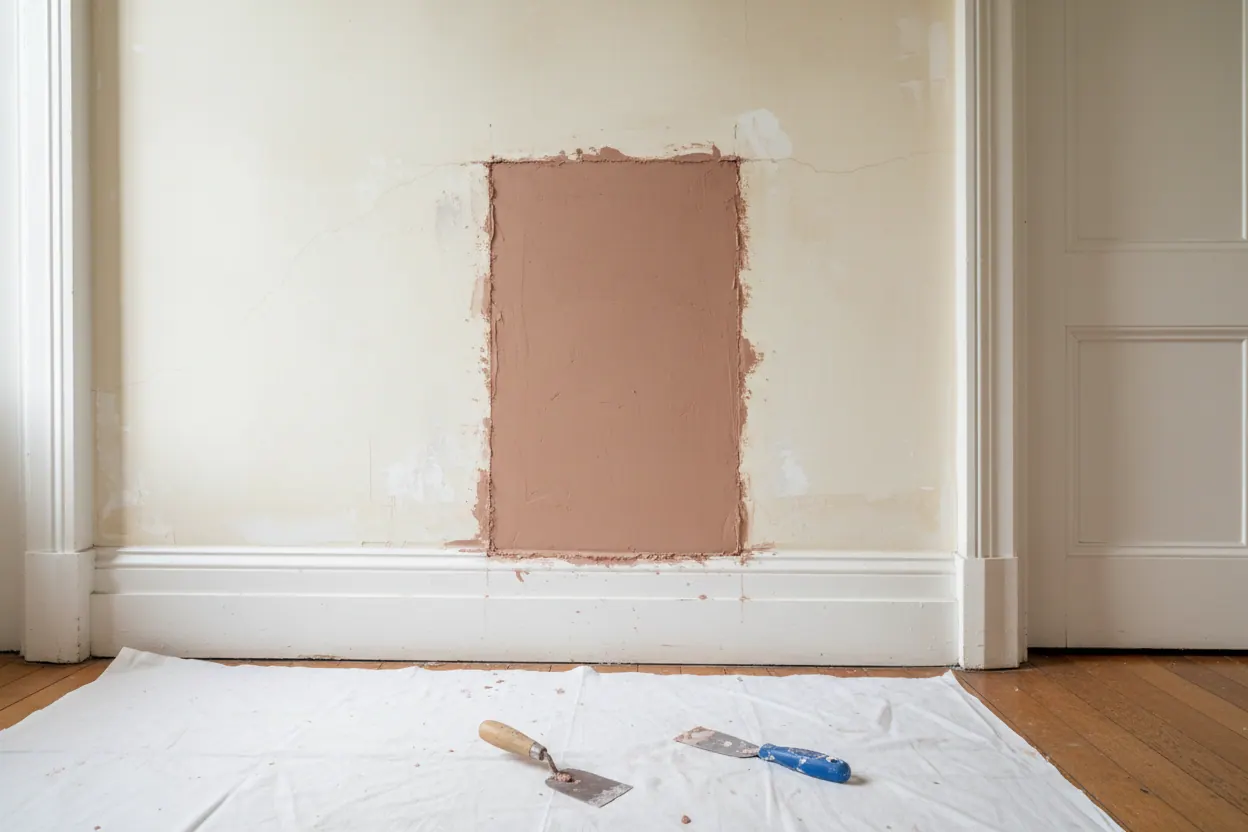
Rewiring and pipework leave chases, holes and rough patches, which need making good before anyone paints. A tidy patch fills the chase, brings the area flush and blends it with the wall around it. Where there is a lot of work across a room, it can make sense to skim the whole surface so everything ends up even. Where boards have been cut or opened up, they may need plasterboarding before the plaster goes on. Our plaster repairs page covers this work.
Preparing before the plasterer arrives
- Clear the area and move furniture away from the wall
- Take down pictures, shelves and curtain poles
- Cover or lift flooring you want to protect
- Note every problem spot, including the small ones
- Take clear photos in good light, one close up and one wider shot
Plaster repairs make dust and mess, so it is worth agreeing that the room will be cleared up at the end.
Drying and painting afterwards
New plaster needs to dry fully before it is painted. How long that takes depends on how thick it is, the temperature and how well the room is ventilated, and colder weather and closed-up rooms slow things down. Painting too early can cause marks and poor adhesion. Open a window when you can, keep the room reasonably warm and wait until the plaster has an even colour all over.
Can you plaster over a textured ceiling?
Often, yes. A suitable, sound textured ceiling can be plastered over to leave a smooth surface. If you are unsure what the coating is, it should be tested for asbestos before anything is disturbed. See our guide to smoothing a textured ceiling and our ceiling plastering page.
Frequently asked questions
Can you put new plaster over old plaster? Sometimes. If the old plaster is sound, firmly attached and properly prepared, a new skim can go over it. If it is loose, hollow or crumbling, it needs removing first.
Can a crack come back after repair? It can, if the cause has not been dealt with. If the crack is down to movement, damp or a poor base, that needs sorting by the right specialist first.
Do I need the whole wall skimmed or just a patch? It depends on how much damage there is and how the rest of the wall looks. A few small problems on a sound wall usually suit patching. Lots of repairs, or a rough, uneven surface, usually suit a full skim.
Why does my plaster keep cracking in the same place? Repeated cracking usually points to movement or a weak area behind the plaster rather than a failed repair. If it keeps returning, have the cause looked at.
If you have cracks, holes or tired plaster in your York home, call 07546 063138 or use the enquiry form with a few photos and a short description.
“Always done great work for me. Good plastering and building work Recommended”